Chicken Florentine Origins: A Culinary Journey from Renaissance Italy to Your Table
Few dishes strike the perfect balance between sophisticated elegance and comforting familiarity quite like Chicken Florentine. This beloved culinary creation, featuring tender chicken breasts bathed in a rich, creamy spinach sauce, has graced countless dinner tables and restaurant menus, earning its reputation as a true crowd-pleaser. But what lies behind the name "Florentine," and how did this delightful dish come to be such a staple? Join us on a captivating journey as we delve into the intriguing origins of Chicken Florentine, tracing its lineage back to the Renaissance and the influential figure of Catherine de Medici, all while exploring what makes today's rendition so irresistibly delicious.
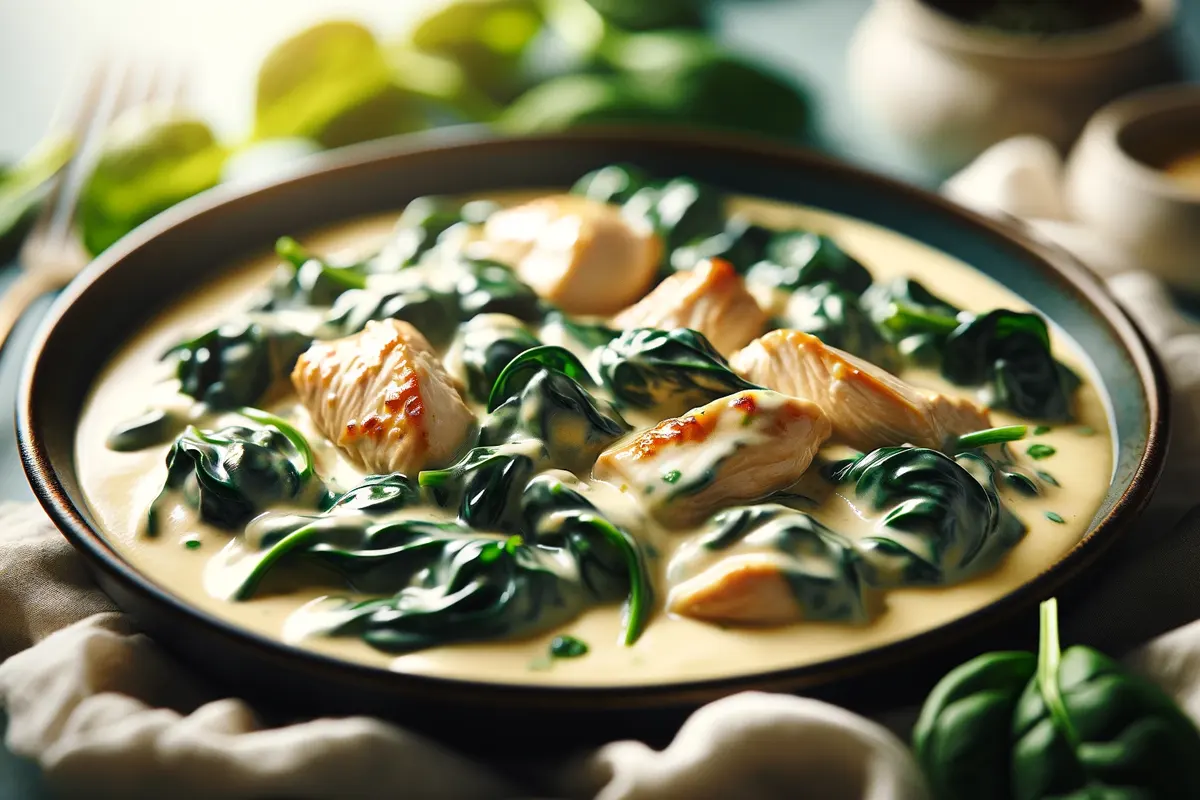
At its heart, Chicken Florentine is celebrated for its harmonious blend of flavors and textures. Imagine perfectly seared, golden-brown chicken, nestled in a velvety sauce enriched with white wine, garlic, Parmesan, and of course, a generous amount of vibrant spinach. It’s a dish that feels indulgent and special enough for a celebratory occasion, yet with modern adaptations, it’s surprisingly straightforward to prepare, often coming together in a single skillet—making it an ideal candidate for a weeknight dinner that still feels like an occasion. As recipe developers often note, it’s "therapy in food form," offering warmth and satisfaction with every bite. If you're looking to master this versatile dish, our article One-Skillet Chicken Florentine: Weeknight Ease, Date Night Elegance provides invaluable tips for perfecting it in your own kitchen.
What Does "Florentine" Truly Mean in Cuisine?
The key to understanding Chicken Florentine lies in deciphering the "Florentine" designation itself. In the culinary world, dishes described as "Florentine" almost invariably feature one star ingredient: spinach. This isn't a mere coincidence but a direct nod to Florence, Italy, the capital of Tuscany, a region renowned for its vibrant produce and culinary traditions, where spinach has long been a cherished staple.
Historically, a classic Florentine preparation would involve a protein (often eggs, fish, or chicken), sautéed spinach, and a Mornay sauce. For the uninitiated, Mornay sauce is a luxurious béchamel (a classic white sauce made with butter, flour, and milk) enriched with cheese, typically Gruyère or Parmesan. This creamy, cheesy base provides the perfect complement to the earthy notes of spinach and the chosen protein, creating a dish that is both hearty and refined. While modern versions of Chicken Florentine might streamline the sauce preparation—often opting for heavy cream, cream cheese, or a simple chicken broth reduction with Parmesan—the core elements of chicken, spinach, and a rich, often cheesy, sauce remain true to its heritage. The simplicity and accessibility of the ingredients ensure that even without a formal Mornay, the spirit of Florence shines through.
Catherine de Medici: A Royal Culinary Ambassador
The narrative surrounding the origins of Chicken Florentine and the popularization of spinach in European cuisine often points to a single, powerful figure: Catherine de Medici. Born into the influential Medici family of Florence in 1519, Catherine became a pivotal bridge between Italian and French cultures when she married Henry II, the future King of France, in 1533. Her move to the French court brought with it not just her personal effects and retinue, but also a profound influence on French art, fashion, and most significantly, its culinary landscape.
Legend has it that Catherine, nostalgic for the flavors of her native Florence, insisted that her personal chefs incorporate Italian cooking techniques and ingredients into the French court's menus. Among these ingredients, spinach was said to be a particular favorite. She brought with her skilled Italian cooks, pastry chefs, and even servers who introduced new methods of preparation, table manners, and ingredients previously unknown or underutilized in France. It's during this period that spinach began to gain prominence in French gastronomy, and dishes prepared in her preferred style, featuring spinach, naturally became known as "à la Florentine." While it's unlikely that Catherine de Medici herself sat down to create the exact Chicken Florentine recipe we know today, her profound impact on French cuisine, and her undeniable fondness for spinach, firmly established the connection between Florence, royal dining, and the leafy green vegetable. Her legacy, therefore, lives on in every creamy, spinach-laden bite of a Florentine dish.
Crafting the Perfect Chicken Florentine: Key Ingredients & Expert Tips
Understanding the history is one thing, but bringing this historical delight to life in your kitchen is another. A truly excellent Chicken Florentine hinges on a few key components and techniques:
- The Chicken: Boneless, skinless chicken breasts are the standard. For optimal tenderness and even cooking, pound them to an even thickness (about 1/2 to 3/4 inch). A good sear is crucial for flavor; ensure your pan is hot and the chicken is nicely browned before creating the sauce.
- The Spinach: Fresh spinach is preferred for its vibrant color and tender texture, though frozen, thawed, and well-drained spinach can also work in a pinch. Add it towards the end of cooking, allowing it just enough time to wilt beautifully into the sauce without becoming mushy.
- The Sauce: This is where the magic truly happens. A rich, creamy base is non-negotiable.
- Aromatics: Garlic is almost always present, lending a wonderful fragrance and depth.
- Deglazing: After searing the chicken, deglaze the pan with a dry white wine (like Pinot Grigio or Sauvignon Blanc). This step captures all the flavorful browned bits from the pan, adding incredible complexity to your sauce.
- Creaminess: While traditional Florentine might call for a Mornay sauce, modern recipes often simplify with heavy cream, chicken broth, or even cream cheese for an extra thick and velvety texture. Parmesan cheese is essential for its salty, umami kick.
- Thickening: Allow the sauce to simmer gently to reduce and thicken to your desired consistency.
- Seasoning: Don't forget salt, black pepper, and perhaps a pinch of nutmeg, which beautifully complements both spinach and creamy sauces. A squeeze of fresh lemon juice at the very end can brighten the whole dish.
Expert Tip: Avoid overcrowding your pan when searing the chicken. This ensures a good crust rather than steaming the meat, which can lead to a less flavorful result.
Beyond the Basics: Variations and Serving Suggestions
While the classic Chicken Florentine is a masterpiece in itself, its adaptable nature allows for delightful variations:
- Add-ins: Consider incorporating other vegetables alongside or instead of spinach. Sautéed mushrooms lend an earthy richness, sun-dried tomatoes add a tangy sweetness, and canned artichoke hearts offer a delightful brininess.
- Different Proteins: The Florentine preparation isn't exclusive to chicken. You can apply the same creamy spinach sauce concept to veal cutlets, firm white fish fillets, or even create a vegetarian version with firm tofu or chickpeas.
- Spice it Up: A pinch of red pepper flakes can add a subtle warmth and kick to the creamy sauce.
When it comes to serving, Chicken Florentine pairs beautifully with a range of accompaniments that can soak up every last drop of that delectable sauce:
- Potatoes: Creamy mashed potatoes or crispy roasted potatoes are classic choices, offering a comforting contrast to the rich chicken.
- Pasta: A bed of al dente pasta, such as fettuccine or penne, is another fantastic option, making it a truly hearty meal.
- Bread: A must for many! Crusty bread is perfect for mopping up the luxurious sauce, ensuring no drop goes to waste.
- Greens: A simple side salad with a light vinaigrette can provide a refreshing counterpoint to the richness of the dish.
Conclusion: The Enduring Legacy of Chicken Florentine
From the opulent courts of Renaissance Italy to the bustling kitchens of today, Chicken Florentine has maintained its allure. It stands as a testament to the enduring power of good food, blending historical influence with culinary innovation. Whether you're drawn to its intriguing historical ties to Catherine de Medici, its comforting flavors, or its surprising ease of preparation, Chicken Florentine offers a dining experience that is both rich in history and deeply satisfying. So next time you savor this elegant dish, take a moment to appreciate its journey—a culinary legacy that continues to bring a touch of Florentine sophistication to tables around the world.
