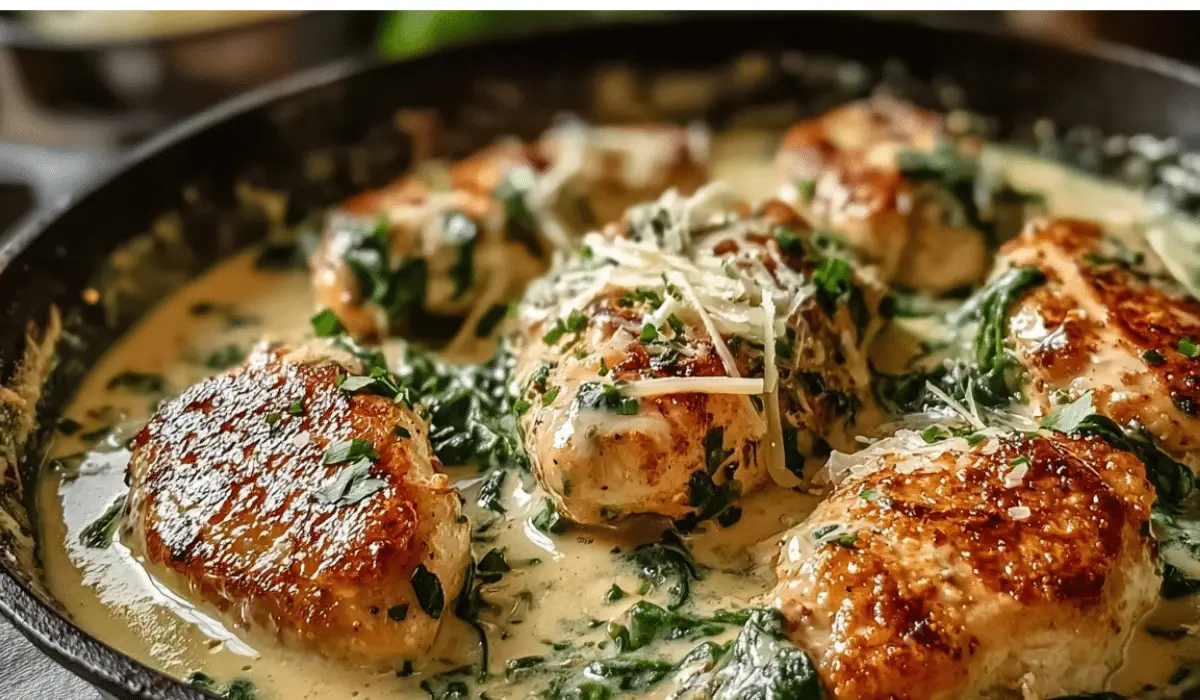
The Secret to Creamy Chicken Florentine: Indulgent Sauce & Spinach
Few dishes strike the perfect balance between gourmet elegance and comforting simplicity quite like Chicken Florentine. Imagine succulent, perfectly seared chicken breasts, bathed in a rich, velvety sauce brimming with tender spinach and a symphony of flavors. It’s a dish that effortlessly elevates any meal, transforming an ordinary weeknight into a special occasion or making a date night truly memorable. While the origins speak to royal palates, modern chicken florentine has become a beloved staple for home cooks seeking a restaurant-quality experience without the fuss.
The allure of chicken florentine lies primarily in its exquisite sauce – a creamy concoction that coats every element with luxurious indulgence. It's the kind of dish that inspires rave reviews, often described as "therapy in food form" or "a special occasion dish" thanks to its generous use of cream and cheese. But what truly makes this dish sing? Beyond the golden chicken and vibrant spinach, it’s the nuanced layers within that indulgent sauce, a secret weapon that ensures every bite is pure bliss. Let's delve into the components that create this culinary masterpiece.
Unlocking the Ultimate Creaminess: The Heart of Chicken Florentine
The foundation of any exceptional chicken florentine begins with two critical elements: perfectly cooked chicken and an unbelievably creamy sauce. Achieving that desired "golden brown" on your chicken breasts is more than just aesthetics; it's about building foundational flavor through the Maillard reaction. Always pat your chicken dry before searing to ensure a beautiful crust, and resist the urge to overcrowd the pan. Cooking in batches, if necessary, guarantees each piece develops that coveted texture and prevents steaming.
However, the true star, and often the most captivating element, is the sauce. A classic Florentine dish features a protein, spinach, and a Mornay sauce – a rich béchamel enriched with cheese. While traditional Mornay can be involved, modern chicken florentine recipes have simplified this without compromising on flavor or texture. Here’s how to achieve that irresistible creaminess:
- The Aromatic Base: Start with fragrant garlic, gently sautéed in the remnants of the chicken's fond, adding a profound depth to the sauce.
- A Splash of Sophistication: A good quality dry white wine is crucial. It deglazes the pan, lifting all those delicious browned bits, and adds a bright, acidic counterpoint that prevents the sauce from becoming too heavy. Allow it to simmer and reduce, concentrating its flavors.
- The Creamy Core: Heavy cream is non-negotiable for that luxurious mouthfeel. It provides the essential richness that defines a great chicken florentine.
- The Secret Weapon: Cream Cheese: This is where many contemporary recipes find their magic touch, as highlighted by expert developers. A dollop of cream cheese, melted into the simmering sauce, serves multiple purposes:
- Unparalleled Smoothness: It melts down beautifully, contributing to an incredibly silky, uniform texture.
- Subtle Tang: Cream cheese introduces a slight tang that brightens the rich sauce, cutting through some of the heaviness of the cream.
- Emulsification & Stability: It helps to emulsify the sauce, creating a stable, perfectly thickened consistency that clings to the chicken and spinach without being overly gloopy.
- The Cheesy Finish: Finally, a generous grating of Parmesan cheese (or another hard, salty cheese like Pecorino Romano) is stirred in, adding a salty, umami depth that brings all the flavors together.
This combination of ingredients creates a sauce that is not just creamy but also vibrant, balanced, and utterly addictive, transforming simple ingredients into a dish that tastes truly indulgent and delightful.
A Dish with Royal Roots: The Florentine Legacy
The term "Florentine" itself holds a fascinating historical connection. It refers to dishes prepared "in the style of Florence," specifically highlighting the inclusion of spinach. This culinary tradition allegedly dates back to the 16th century and is often attributed to Catherine de' Medici, the spirited French Queen who hailed from Florence, Italy. Apparently, Catherine had a fondness for foods that reminded her of her native city, and spinach was a staple of Tuscan cuisine.
When she married into French royalty, Catherine de' Medici brought with her not only her Florentine chefs but also her culinary preferences, including a love for spinach. This introduction is credited with popularizing spinach in French cooking and, by extension, in European cuisine. While the original Florentine preparations might have differed from today's creamy renditions, the essence remains: a protein served alongside a generous portion of spinach. Modern chicken florentine beautifully blends this historical appreciation for spinach with contemporary tastes for creamy, flavorful sauces and tender chicken, making it a beloved dish worldwide. To explore this intriguing history further, delve into Chicken Florentine Origins: From Catherine de Medici to Your Dinner.
Mastering the One-Skillet Wonder: Tips for Weeknight & Date Night
One of the most appealing aspects of chicken florentine is its incredible versatility and ease of preparation. It’s a complete meal that often comes together in a single skillet, making cleanup a breeze and proving it’s both easy enough for a weeknight and fancy enough for a date night. Here are some actionable tips to master this culinary marvel:
- Mise en Place is Your Friend: Have all your ingredients prepped and measured before you start cooking. This allows for a smooth, stress-free cooking process, especially when dealing with quick-cooking components.
- Evenly Cooked Chicken: If your chicken breasts are particularly thick, consider pounding them lightly to an even thickness (about 1/2 to 3/4 inch). This ensures they cook through uniformly and quickly.
- Build Layers of Flavor: Always cook your chicken first, allowing it to get a beautiful sear. Remove it from the pan, then use the same pan to build your sauce, scraping up all those flavorful browned bits (fond) from the bottom. This is where a lot of the magic happens!
- Don't Overcrowd the Spinach: Fresh spinach wilts down significantly. Add it in batches if necessary, allowing each batch to wilt before adding more. It will shrink remarkably, so don't be alarmed by a mountain of greens.
- Beyond Spinach: While spinach is traditional, don't be afraid to experiment! Sun-dried tomatoes add a lovely tang and color, sautéed mushrooms offer an earthy depth, and canned artichokes can introduce a pleasant texture. You can use these instead of, or in addition to, the spinach to customize your dish.
- The Final Touches: Once your chicken is nestled back into the sauce with the wilted spinach, let it gently simmer for a few minutes to allow the flavors to meld and the chicken to finish cooking through, absorbing the sauce's richness. A squeeze of fresh lemon juice at the end can brighten the whole dish.
With these straightforward steps, you can achieve a restaurant-quality dinner in under 40 minutes, making chicken florentine an impressive yet approachable meal for any occasion. For more specific guidance on its one-skillet magic, check out One-Skillet Chicken Florentine: Weeknight Ease, Date Night Elegance.
Perfect Pairings: What to Serve with Your Indulgent Chicken Florentine
While chicken florentine is a complete meal in itself, the right side dish can elevate the experience even further, enhancing the flavors and soaking up every last drop of that incredible sauce. The key is often to choose accompaniments that either provide a delightful textural contrast or serve as a delicious vehicle for the creamy goodness.
- Mashed Potatoes: This is a classic and highly recommended pairing for a reason. Creamy, fluffy mashed potatoes are the ideal sponge for the rich Florentine sauce, creating an undeniably comforting combination.
- Crusty Bread: A must-have for many! A warm, crusty baguette or artisanal loaf is perfect for sopping up every last bit of the sauce, ensuring no drop goes to waste. It’s simple, effective, and deeply satisfying.
- Pasta: Serving chicken florentine over a bed of al dente pasta, such as fettuccine, linguine, or penne, transforms it into an even heartier, more substantial meal. The pasta strands beautifully entwine with the sauce and spinach.
- Roasted or Smashed Potatoes: For a slightly less heavy option than mashed, roasted or smashed potatoes offer a lovely crispy exterior and tender interior, providing a pleasing textural contrast to the creamy sauce.
- Rice Pilaf or Couscous: A light and fluffy rice pilaf or quick-cooking couscous can be an excellent alternative to potatoes or pasta, absorbing the sauce beautifully without adding too much richness.
- A Simple Green Salad: To cut through the richness of the dish, a light, crisp green salad with a bright vinaigrette provides a refreshing counterpoint, cleansing the palate between indulgent bites.
- Steamed or Roasted Vegetables: Think delicate green beans, asparagus, or broccoli florets. Cooked simply with a touch of olive oil, salt, and pepper, they offer freshness and a slight crunch that complements the creamy chicken.
No matter your choice, ensure your side dish is ready when the chicken florentine is, so you can enjoy this magnificent meal fresh from the skillet.
From its noble heritage to its modern-day versatility as a one-skillet wonder, chicken florentine stands as a testament to the power of a truly indulgent sauce. With perfectly seared chicken, vibrant spinach, and that secret touch of cream cheese, this dish consistently delivers comfort, elegance, and unforgettable flavor. It’s a culinary journey from Catherine de' Medici's Florentine tastes straight to your dinner table, proving that impressive meals don't have to be complicated. So, gather your ingredients, fire up your skillet, and unlock the secret to this creamy, dreamy classic for yourself.
